What Does a Creative Assistant Do? Business Support & More
There’s a few sentiments that get echoed at different points of the career journey of a visionary or artist.
“Where do I start? How could I possibly afford or source any other professional help?” one day evolves into “I’ve plateaued, I cannot possibly absorb one more skill to make this work, I have support but I have no idea how or who to hire or entrust with what I have built.”
There’s actually help to be had at each point, and every one in-between— and it’s more accessible to you than you might think.~
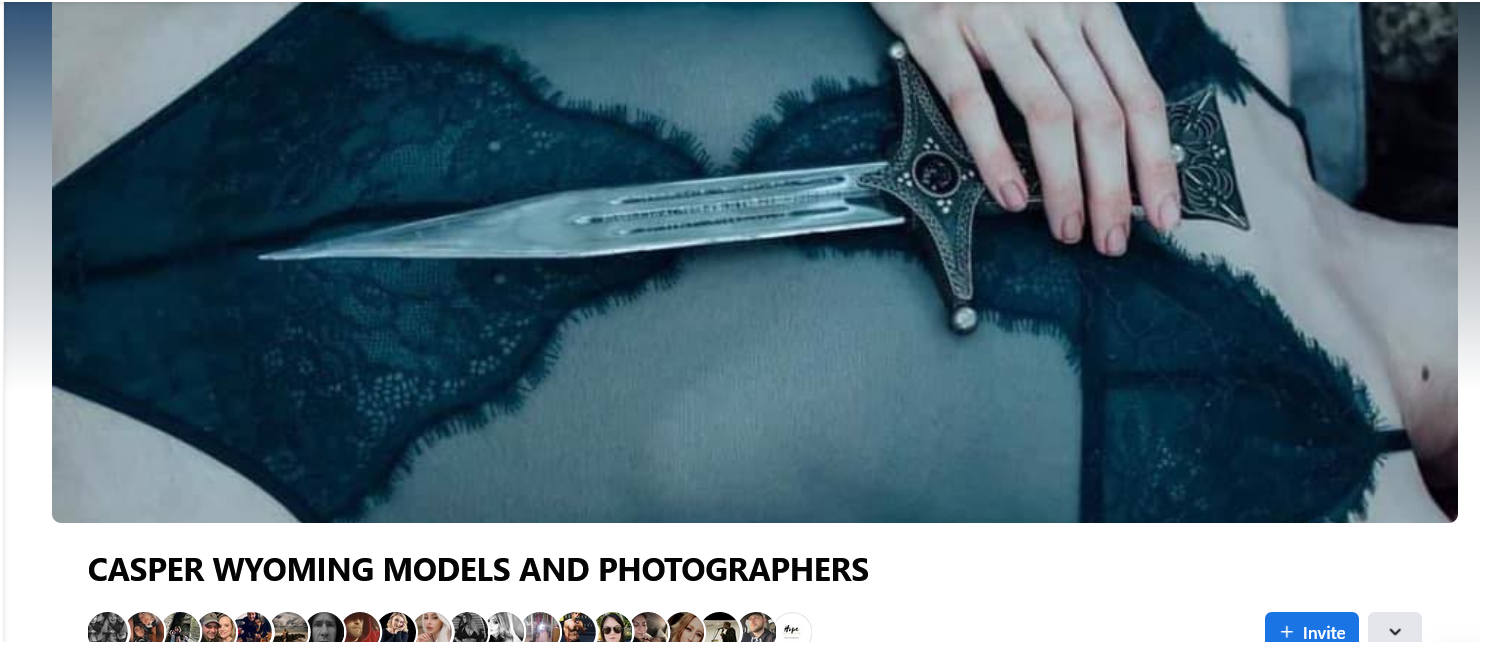
I’ve been a part of various creative communities for years, and know someone for just about anything you could dream up.~
For a lot of creative entrepreneurs and small-business owners, learning every skill to run their business is simply part of the experience. Building something of your own often means wearing a dozen different hats, learning skills you never expected to need, and figuring out how to keep everything moving even when your time and resources are limited.
It's also a big part of why I enjoy helping folks with their businesses and projects!
What started as casual advice and creative help for friends and family gradually grew through word of mouth, with people referring me to others who needed a hand. Over time, this work became one of the most important aspects of keeping my own business running, and I've had the opportunity to contribute to projects that span a surprising range of creative and practical work.
I've helped with copy, templates, photography, websites, social media, remodels, and even products that I've helped design and bring to life. My portfolio includes work across different websites and social platforms, including my own, and the variety of those projects has become one of my favorite parts of what I do!
Somewhere along the way, I realized that there was a name for the kind of work I had been doing all along: creative assistance. But what does a creative assistant actually do, and what might that look like when you're working with someone who approaches each project a little differently?
What Does a Creative Assistant Typically Do?
The title creative assistant can mean quite a few different things, depending on the industry, employer, and projects involved. In a traditional employment setting, a creative assistant might support a marketing department, design team, photographer, artist, content creator, or other creative professional. Their responsibilities could include preparing materials, organizing files, researching ideas, scheduling content, coordinating projects, assisting with production, or handling administrative tasks that keep the work moving.
Some positions are highly specialized, with a clearly defined set of responsibilities and established procedures. Others are more varied, allowing the assistant to contribute across several areas as the needs of a team or business change.
There is plenty of value in both approaches. A good assistant can make an enormous difference by helping a creative professional stay organized, meet deadlines, and spend more time on the work that requires their particular expertise.
My own experience has led me toward a somewhat broader interpretation of the role….
I enjoy the individual tasks involved in supporting a business or creative project, but I also like understanding how those tasks connect to the larger goal. I want to know what someone is trying to accomplish, what they already have in place, where they're getting stuck, and which pieces of the puzzle I might be able to help with. At times, that means completing a specific task someone already has planned. Other times, it means helping them figure out what the task should be in the first place.
That flexibility is a big part of what makes this kind of work interesting to me.
How I Found My Way Into Creative Assistance
I didn't sit down one day and decide to build a career around the title creative assistant. The work grew naturally out of the things I enjoyed doing and the people who needed help doing them.
Initially, I was offering advice and assistance to friends and family. I'd help someone work through an idea, offer suggestions for a project, contribute creative work, or help figure out a practical solution to something they were trying to accomplish.
Then those people started referring me to other people.
One introduction became another, and the requests expanded beyond the occasional favor. I found myself contributing to the behind-the-scenes work that helps businesses and projects function, often in several different capacities for the same person.
This progression taught me something important about the work: people don't always need someone to fill a narrowly defined position. Sometimes they need someone who can look at a particular situation, understand what they're trying to achieve, and identify useful ways to help.
The projects I've worked on have included copywriting, templates, photography, website and social media content, and product development. Each requires a different combination of skills, and each comes with its own considerations, priorities, and opportunities to make something better. I've enjoyed being able to move between those different kinds of work, learning about the people behind each project, and helping them bring their ideas closer to reality.
My portfolio reflects that variety, and I'm proud of the fact that the work has grown through personal connections and recommendations. It's given me opportunities to contribute to things I might never have encountered if I'd limited myself to a single specialty!
What I Bring to a Project
When someone brings me an idea, I want to know what they're hoping to accomplish, who the project is for, what resources they have available, and what success would actually look like to them. From there, I can help identify the practical steps involved and determine where my skills would be most useful.
Depending on the project, that might involve creative development, research, planning, organization, communication, administrative support, or coordination between several different moving pieces.
I enjoy brainstorming, but I also have fun with the work that comes after the brainstorming. An exciting idea needs decisions, resources, timelines, follow-through, and plenty of little details before it can become something tangible! I love helping connect those stages so that a project has a clearer path forward.
I am also comfortable learning about unfamiliar subjects. Every business has its own processes, terminology, audience, and priorities, and I find it interesting to understand what makes each one tick. I don't expect every project to look like something I've done before, although I do believe in being honest about my experience and making sure the work is a good fit for my abilities.
My goal is always to get things running more hands-off, so you have time to do anything else.

Let’s nurture ideas through growth, to fruition. Let’s make some MAGIC together!
What Does That Look Like in Practice?
Imagine you're a maker who wants to organize a local market featuring independent artists and small businesses. You have the general idea, perhaps a venue in mind, and a few people who are interested in participating. You're excited about the possibilities, but now you're looking at vendor outreach, booth arrangements, pricing, promotion, schedules, event-day logistics, and a long list of details you hadn't necessarily considered when you first imagined the event.
A creative assistant could help with individual pieces of that process, such as drafting vendor emails, researching promotional opportunities, creating social media templates, or organizing a planning spreadsheet.
These tasks are useful on their own, but there's also value in looking at how the pieces fit together. For example, vendor pricing affects your budget, which affects how many participants you need. The venue affects the layout, the layout affects attendee flow, and the event schedule affects what information vendors need in advance.
Promotion needs to reach the right audience, while the information you provide to attendees needs to match the actual arrangements. Looking at those connections early can help you catch questions that might otherwise become last-minute problems.
I'd also want to understand what the organizer already has covered; if they've got a brilliant promotional plan, but need help coordinating vendors, that's where we can focus. If they're still figuring out the structure of the event, we might begin with research and planning instead.
The point is to identify what would genuinely help that particular project move forward.
Of course, a hypothetical example is only one possibility. The same approach could apply to a product launch, a website refresh, a new business initiative, an independent creator's convention appearance, or a project that doesn't have an obvious category yet.
That's the kind of variety I’m addicted to!
Who Could Benefit From This Kind of Support?
Creative entrepreneurs are a particular interest of mine, especially independent creators and small businesses that have plenty of ideas but limited time, staffing, or resources.
That could mean artists, makers, writers, performers, convention vendors, event organizers, independent retailers, community groups, or people building businesses around a particular skill or passion. It could be established businesses and independent contractors who need another person to contribute to a project, organize the details, prepare materials, research options, or help coordinate work that would otherwise compete with their existing responsibilities.
You don't have to run a business with creative in its name to benefit from creative assistance! Most projects involve some combination of ideas, decisions, communication, organization, and practical execution. The balance simply changes depending on what you're working on.
Perhaps you're a contractor who has a clear vision for a client project, but could use help preparing materials and coordinating the moving pieces, or you're an artist who needs support organizing an upcoming launch. Perhaps you own a small business and have a list of worthwhile improvements that keeps getting pushed aside because the daily workload comes first… (I get it.)
These are all situations worth discussing.
I'm open to remote collaborations throughout the United States, as well as opportunities to connect with creative professionals, independent businesses, and interesting projects in Colorado as I build relationships in the area.
The important thing is finding a project where my skills, interests, and approach can be useful to the person behind it.
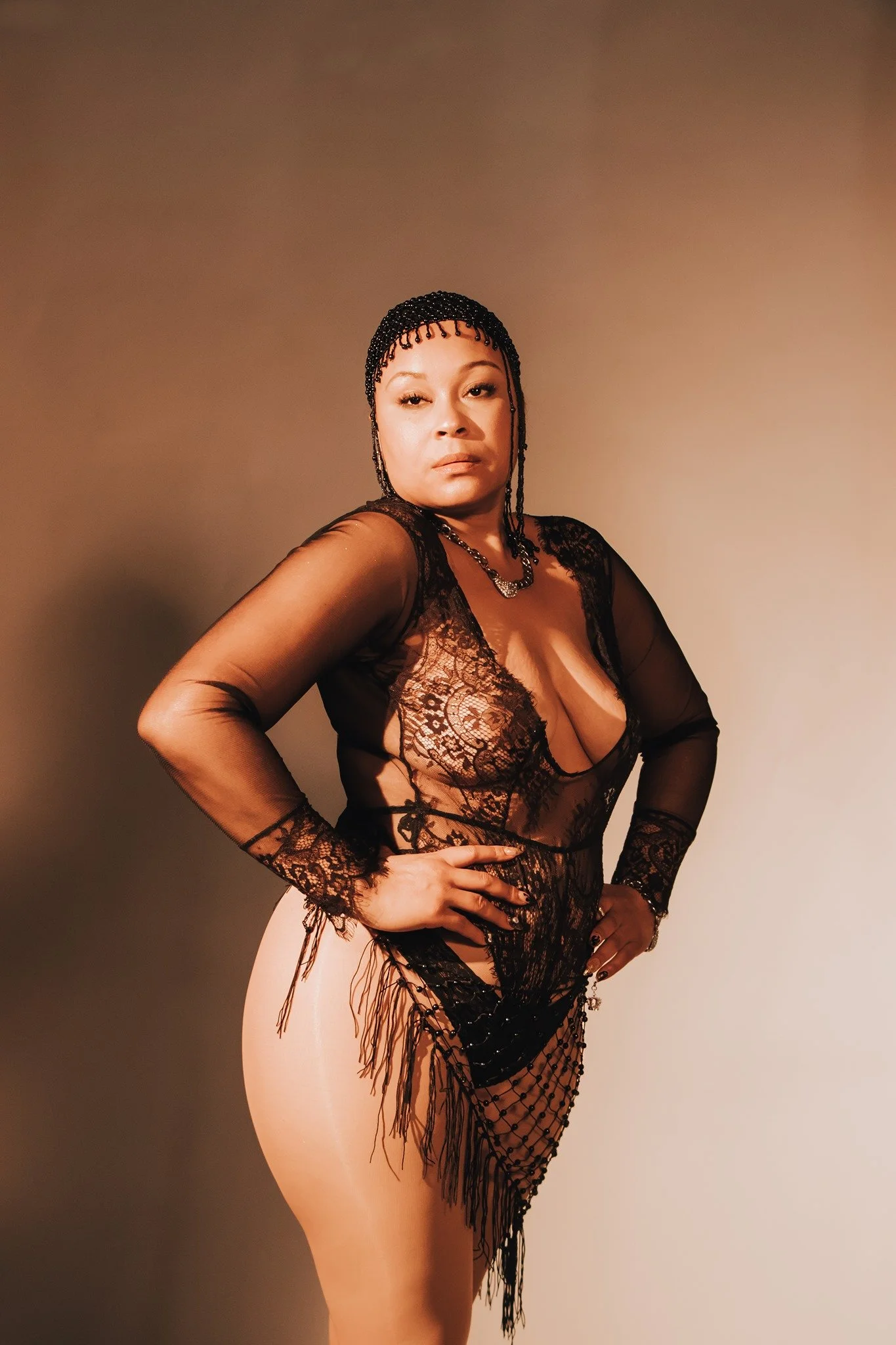
Let me help you look and FEEL like the badass you are!
Flexible Doesn't Mean Unstructured
I appreciate having room to approach different projects in different ways, but flexibility still requires clear communication and realistic expectations.
Before beginning a project, I'd want to understand the goal, agree on the responsibilities involved, establish a workable timeline, and make sure we're on the same page about what I can provide. Some projects may be best suited to a specific task or short-term collaboration, while others might benefit from ongoing support.
Not every request will be the right fit, and some projects will require specialized skills, additional team members, or resources outside the scope of what I am able to provide. Identifying those things early is part of making a collaboration work well!
I believe that a useful working relationship gives everyone a clearer understanding of what needs to happen and allows each person to contribute where they can make the greatest difference. Once we understand the goal and the practical boundaries of the project, we can determine the most sensible way to approach it together.~
I don't expect every client to need the same arrangement, and I don't believe every project should be forced into an identical package simply because it makes the services easier to categorize.
We can start by talking about it.
So, Is Creative Assistant the Right Name for What I Do?
I think it's a useful description, and maybe as close as I’ll get— particularly because it gives people a starting point for understanding the kind of work I offer. It communicates that I'm interested in supporting creative work and the people responsible for bringing it to life!
It also leaves room for the planning, research, coordination, and practical problem-solving that often accompany this work.
My experience doesn't fit into one narrow category, and I don't see that variety as a disadvantage. The copy, templates, photography, websites, social content, and product development work in my portfolio demonstrate different ways I've contributed to projects. Together, they offer a more complete picture of what I can bring to a collaboration.
I'm interested in helping people make progress on ideas they care about— taking responsibility for a defined task, contributing creative skills, organizing a complicated process, or working through the details of a project that is still taking shape.
For me, the most interesting opportunities are often the ones that begin with a conversation about what someone wants to accomplish.
Have a Project in Mind?
If you're a creative entrepreneur, independent contractor, maker or artist, or small-business owner who could use an extra set of hands— I'd love to hear what you're working on!
You don't need to arrive with a perfectly organized plan or a detailed list of tasks. If you know what you're hoping to accomplish and have a sense of where you could use help, that's a GREAT place to start.
You can explore my portfolio to see examples of my work across different projects, websites, and social platforms, and you’re free to contact me for a direct and relevant folder of work. I am on Youtube, Facebook, Instagram, featured across various articles, completed works, etc.
If something catches your eye, or if you have a project that makes you wonder whether we might work well together, get in touch and tell me about it!
Keep up with what I am currently working on over at Facebook.